
Hormone Therapy & Bone Health: What You Need to Know
Intro from Dr. Sarah Avery, DPT, PYT, Women’s Health Specialist
As a women’s health physical therapist, I’m thrilled to collaborate with Lisa Morris, NP, on this important topic that affects nearly every woman at some point in her life: the intersection between hormones and bone health.
In my practice at In Motion Integrative Physical Therapy in Saratoga Springs, I see firsthand how the physical effects of perimenopause and menopause — from changing hormone levels to shifting bone density — impact women’s strength, balance, and confidence in movement. Lisa’s explanation below provides an excellent overview of how hormone replacement therapy (HRT) can support bone preservation internally, while my work focuses on what we can do externally through targeted strength and resistance training to actively build bone, improve posture, and enhance overall resilience.
Together, we’re passionate about helping women take a whole-body, evidence-based approach to bone health — combining medical expertise and movement science to support stronger bones, steadier balance, and empowered living through every stage of life.
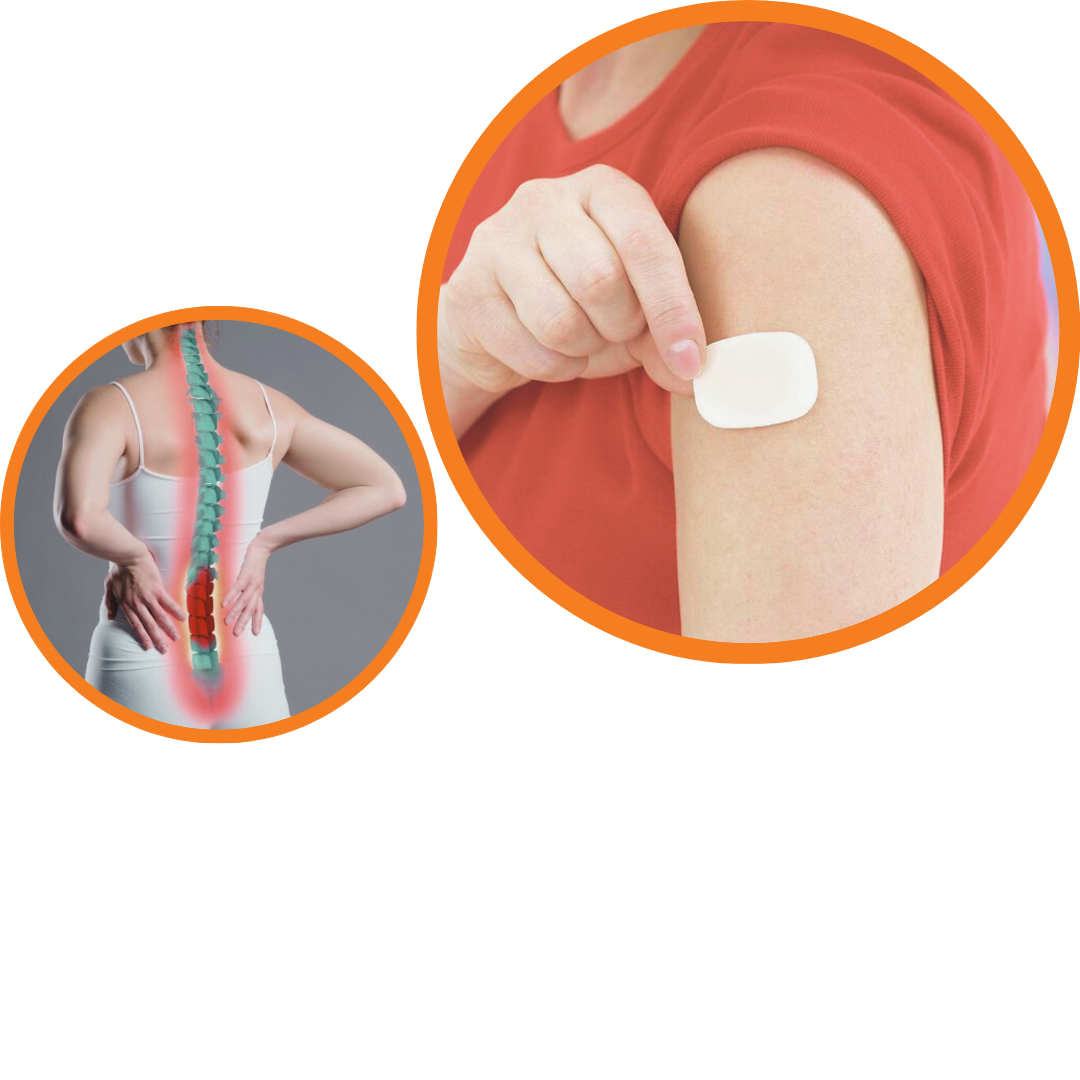
Hormone Therapy & Bone Health
When we think about menopause, hot flashes and mood shifts usually come to mind first. But one of the quieter and more long-lasting changes that happens during this transition is what’s happening to our bones. Estrogen, a hormone that steadily declines during perimenopause and menopause, plays a critical role in maintaining bone strength. It helps regulate the natural process of bone breakdown and rebuilding. When estrogen levels fall, bone is lost more quickly than it can be replaced, which increases the risk of osteopenia (decreased bone mineral density) and osteoporosis (more advanced bone thinning and fragility).
The Role of Hormone Therapy
Hormone replacement therapy (HRT) is one of the most effective treatments for protecting bone health in postmenopausal women. By replacing estrogen, HRT slows bone turnover, helps preserve bone density, and reduces the risk of fractures. Research has shown that women who use HRT have significantly lower rates of hip and vertebral fractures compared to those who do not.
Professional societies such as The North American Menopause Society (NAMS) and the Endocrine Society support the use of HRT for osteoporosis prevention in women who:
Have bothersome menopausal symptoms (like hot flashes, night sweats, sleep disturbance)
Are within 10 years of menopause onset or younger than age 60
Do not have contraindications (such as certain cardiovascular, liver, or cancer histories
HRT isn’t usually prescribed solely for bone health if a woman has no other symptoms, but for many women, it offers a “two-for-one” benefit: relief from menopausal symptoms and a powerful tool for preventing osteoporosis.
Types of HRT
Estrogen-only therapy: Used in women who no longer have a uterus.
Estrogen + progesterone (or progestogen): Recommended if the uterus is intact, to protect against endometrial cancer.
Delivery forms: Pills, patches, gels, sprays, and vaginal options. Transdermal (patch/gel) is often preferred for lower risk of clotting and better tolerability.
Benefits Beyond Bone
Relief of hot flashes, night sweats, and sleep disturbance
Improvement in vaginal dryness and sexual comfort
Potential support for mood and cognition in early menopause
Osteoporosis prevention and fracture risk reduction
Risks to Consider
Like any medical therapy, HRT is not right for everyone. Risks depend on age, health history, and type of therapy used. Potential risks include:
Small increased risk of blood clots or stroke (lower with transdermal forms)
Slight increase in breast cancer risk with combined estrogen-progesterone therapy, especially with longer-term use
Not appropriate for women with certain cancer, clotting, or liver histories
Who Benefits Most
Guidelines recommend HRT primarily for healthy women under age 60 or within 10 years of menopause onset, who have bothersome symptoms and/or elevated risk for osteoporosis. For this group, the benefits often outweigh the risks.
Beyond HRT: A Whole-Body Strategy
Bone health is never about one intervention alone. Even if HRT is part of your plan, a comprehensive approach is key. This often includes:
Nutrition: Adequate calcium, vitamin D, and protein are essential building blocks for bone.
Movement: Weight-bearing exercise, strength training, and balance work help stimulate bone formation and lower fall risk.
Lifestyle: Limiting smoking and alcohol, prioritizing sleep, and managing stress all contribute to healthier bones.
Other Therapies: For women at high risk who cannot take HRT, other medications (like bisphosphonates, SERMs, or anabolic agents) may be considered.
The Bottom Line
If you’re in perimenopause or postmenopause, your bone health deserves attention whether you’ve been diagnosed with osteopenia/osteoporosis or not. HRT can be an important piece of the puzzle, but the best results come when it’s combined with movement, nutrition, and lifestyle support. This is why collaboration between medical providers and physical therapists is so powerful: while HRT helps preserve bone density from the inside, targeted exercise helps build strength, stability, and resilience from the outside.
Closing Thoughts from Dr. Sarah Avery
As Lisa described, HRT can be a powerful tool to slow bone loss and protect long-term skeletal health. But the conversation doesn’t stop there. At In Motion Integrative Physical Therapy, I work with women navigating perimenopause, menopause, and osteoporosis to rebuild strength from the outside in — using exercise science principles like Wolff’s Law, axial loading, and progressive overload to help bones adapt and grow stronger in response to the right kind of training.
When hormone therapy and movement-based care work hand in hand, the benefits multiply: improved bone density, reduced fall risk, greater muscle strength, and renewed confidence in your body.
If you’re ready to take a proactive approach to your bone health — whether you’re on HRT, considering it, or simply want to move in ways that support your long-term vitality — I’d love to help guide you.
👉 Learn more about my osteoporosis programs and strength training for women at www.inmotionintegrativept.com or schedule a free consultation to discuss how we can create a personalized plan for you.
👉 Visit Lisa’s website at https://lisa-morris.themamacoach.com/ to learn more about her services and to schedule a free discovery call!